
When most people think about the cost of a road trip, fuel is usually the first expense that comes to mind. While fuel is certainly important, it is only one piece of the overall travel budget.
Many travellers underestimate just how quickly small expenses can add up over the course of a journey. A road trip that seems affordable at first can become much more expensive once accommodation, meals, attractions, and unexpected purchases enter the picture.
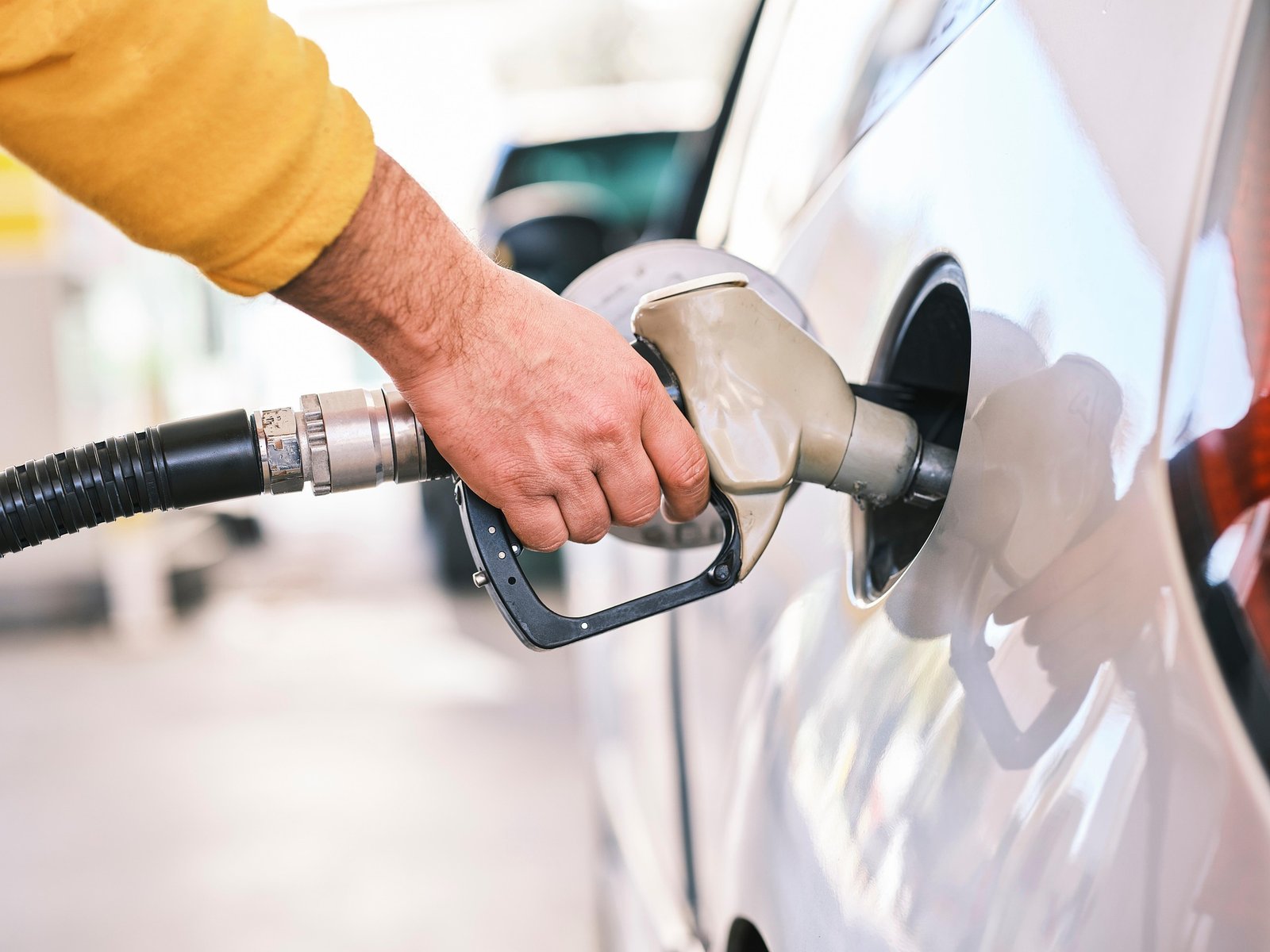
Fuel is typically the largest transportation expense. The total amount depends on distance, vehicle efficiency, fuel prices, terrain, and driving habits. A vehicle travelling through mountains may use significantly more fuel than the same vehicle travelling on flat highways. Similarly, carrying extra luggage, towing equipment, or driving at higher speeds can increase consumption.
Accommodation can also become a major expense. Some travellers stay in hotels or resorts each night, while others choose cabins, campgrounds, caravan parks, or even sleep in campervans. The difference between these accommodation choices can dramatically affect the overall budget.
Food is another cost people often overlook. Grabbing coffee, snacks, takeaway meals, and restaurant dinners throughout a trip may seem harmless individually, but they can quickly add up. Packing some food and drinks before leaving can often reduce expenses considerably.
Many road trips also include activities. National parks, museums, tours, attractions, parking fees, and local experiences may become part of the adventure. While these expenses can increase the budget, they also create some of the most memorable moments of a trip.
Vehicle wear and tear is another hidden cost. Every kilometre travelled contributes to future maintenance costs. Tyres wear down, oil changes become due sooner, and general wear increases over time. Although these costs are not immediately visible during a trip, they are still part of the true cost of travelling by car.
Unexpected expenses should also be considered. Weather changes, road closures, medical needs, parking fines, toll roads, and emergency purchases can appear without warning. Having a small buffer in the travel budget can help reduce stress when these situations arise.
The good news is that road trips are often highly flexible. Travellers can adjust routes, accommodation choices, meal budgets, and activities to match their spending limits. Unlike many forms of travel, road trips can often be customised to suit almost any budget.
The best approach is to estimate the main costs before leaving. Calculating fuel expenses, researching accommodation options, and setting a daily spending allowance can provide a much clearer picture of the total cost.
At the end of the day, a road trip is about more than the dollars spent. Some of the best travel memories come from simple experiences that cost very little. Watching a sunset, exploring a small town, or discovering a scenic viewpoint can become highlights of a journey.
Knowing the true cost of a road trip simply helps travellers plan more confidently and enjoy the adventure without unnecessary financial surprises